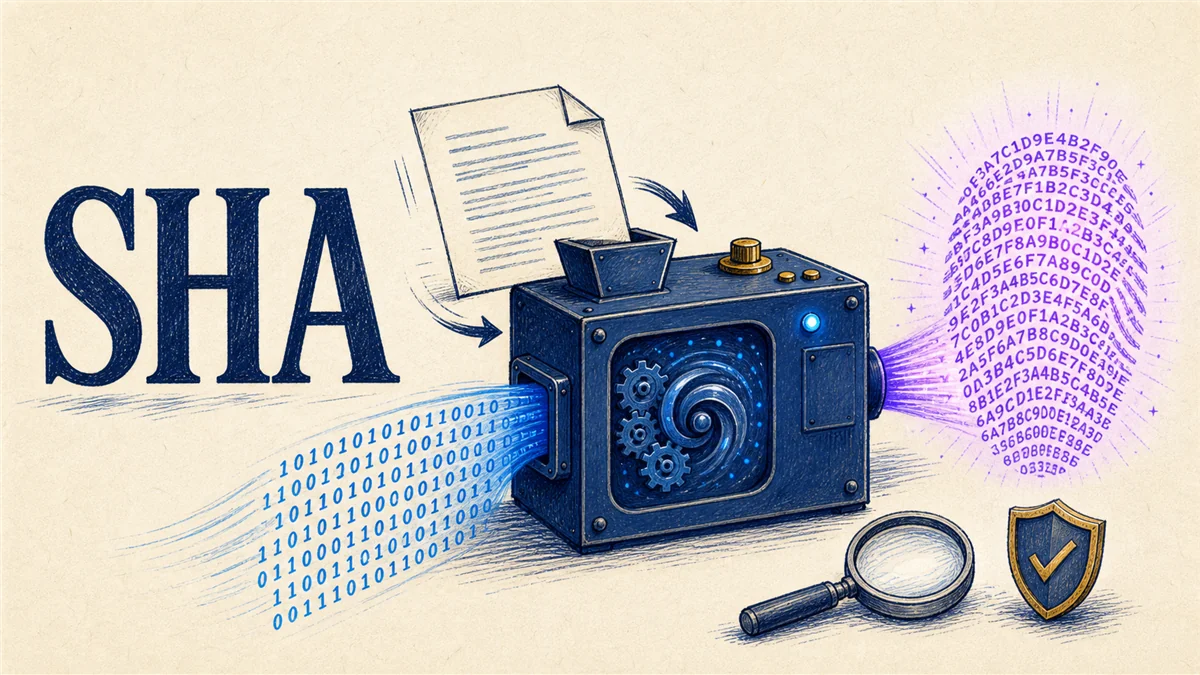
SHA Comic Classroom Part 1: From Digital Fingerprints to Hardware Trust
Ten illustrated lessons explain SHA digests, resistance properties, the birthday bound, SHA-1's retirement, and the role of hashing in software and hardware security.
COMIC CLASSROOM
Visual classrooms that turn dense engineering topics into ideas you can remember and use.
Ten illustrated lessons explain SHA digests, resistance properties, the birthday bound, SHA-1's retirement, and the role of hashing in software and hardware security.
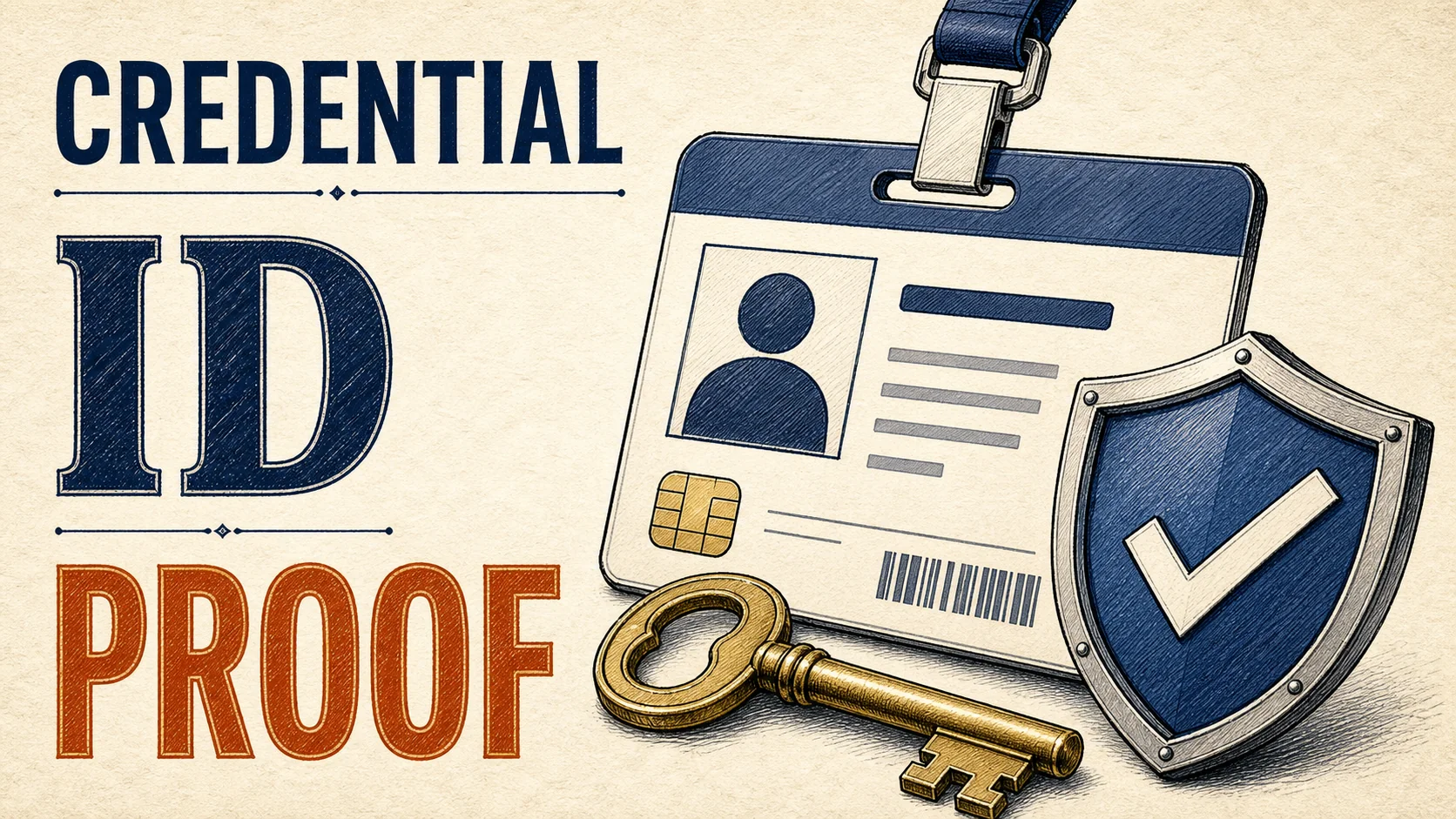
A 12-page visual guide to credentials, authentication, authorization, passwords, keys, certificates, tokens, device identity, attestation, and PUF. Start with a simple door-check story, then connect each picture to practical security design.
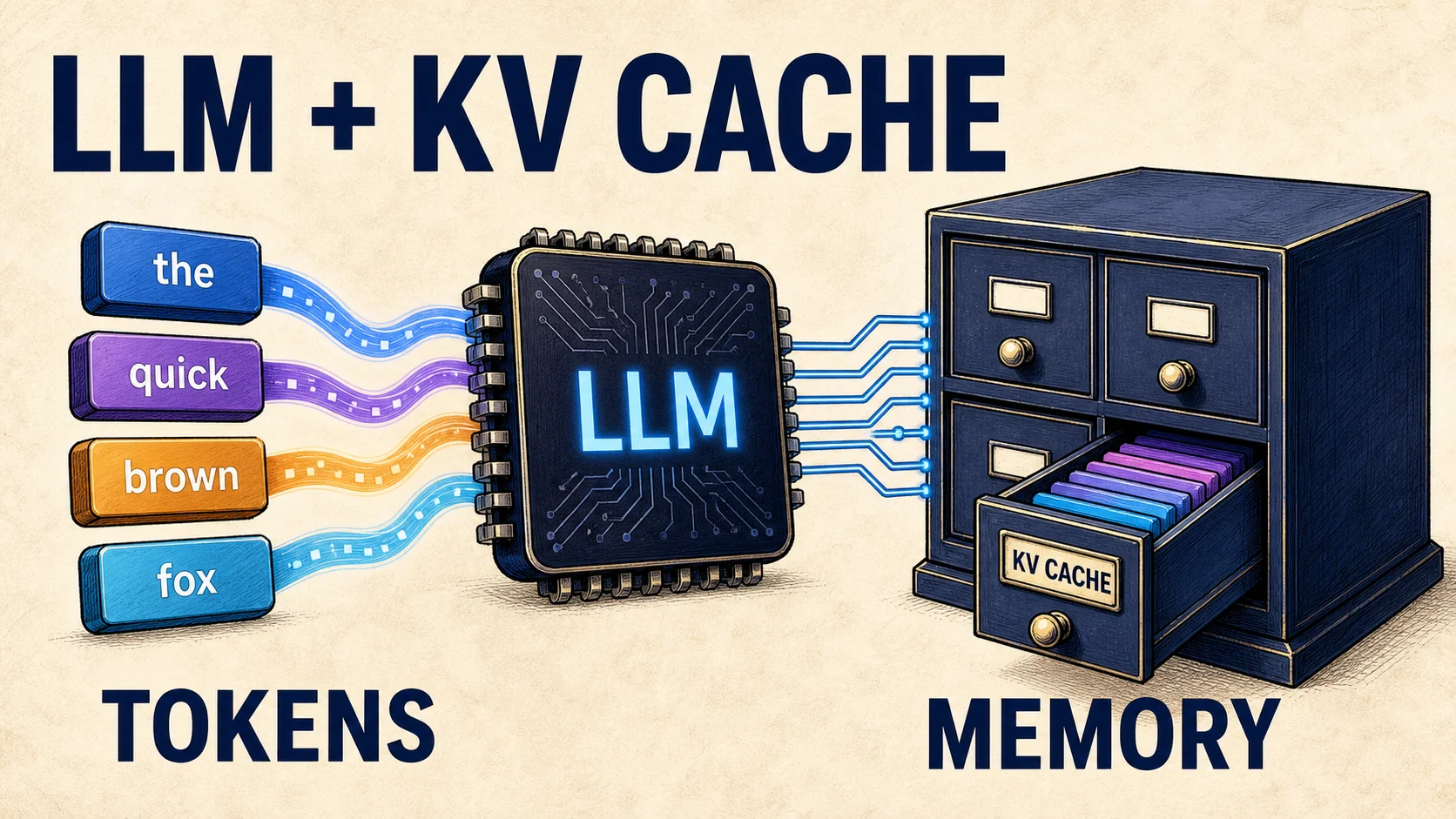
A six-page classroom that starts with a simple question: how does an LLM keep writing one piece at a time? We begin with next-token prediction, then move into tokens, vectors, K/V notes, KV Cache, and the memory cost that appears when conversations get long.
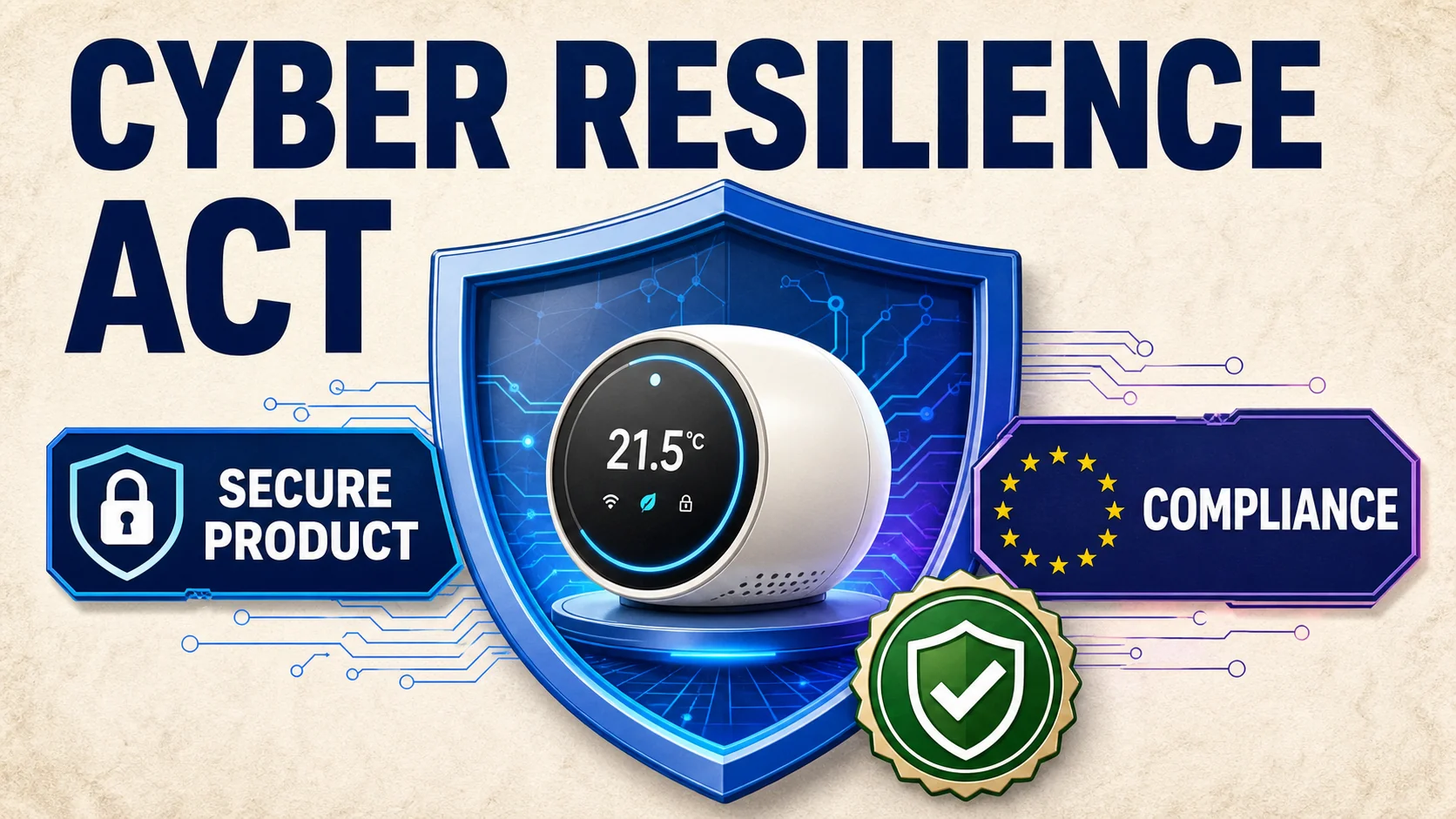
A nine-page classroom that turns the EU Cyber Resilience Act into a product-readiness map: scope, reporting dates, product classes, Annex I duties, conformity assessment, CE marking, and the evidence a real team must keep.
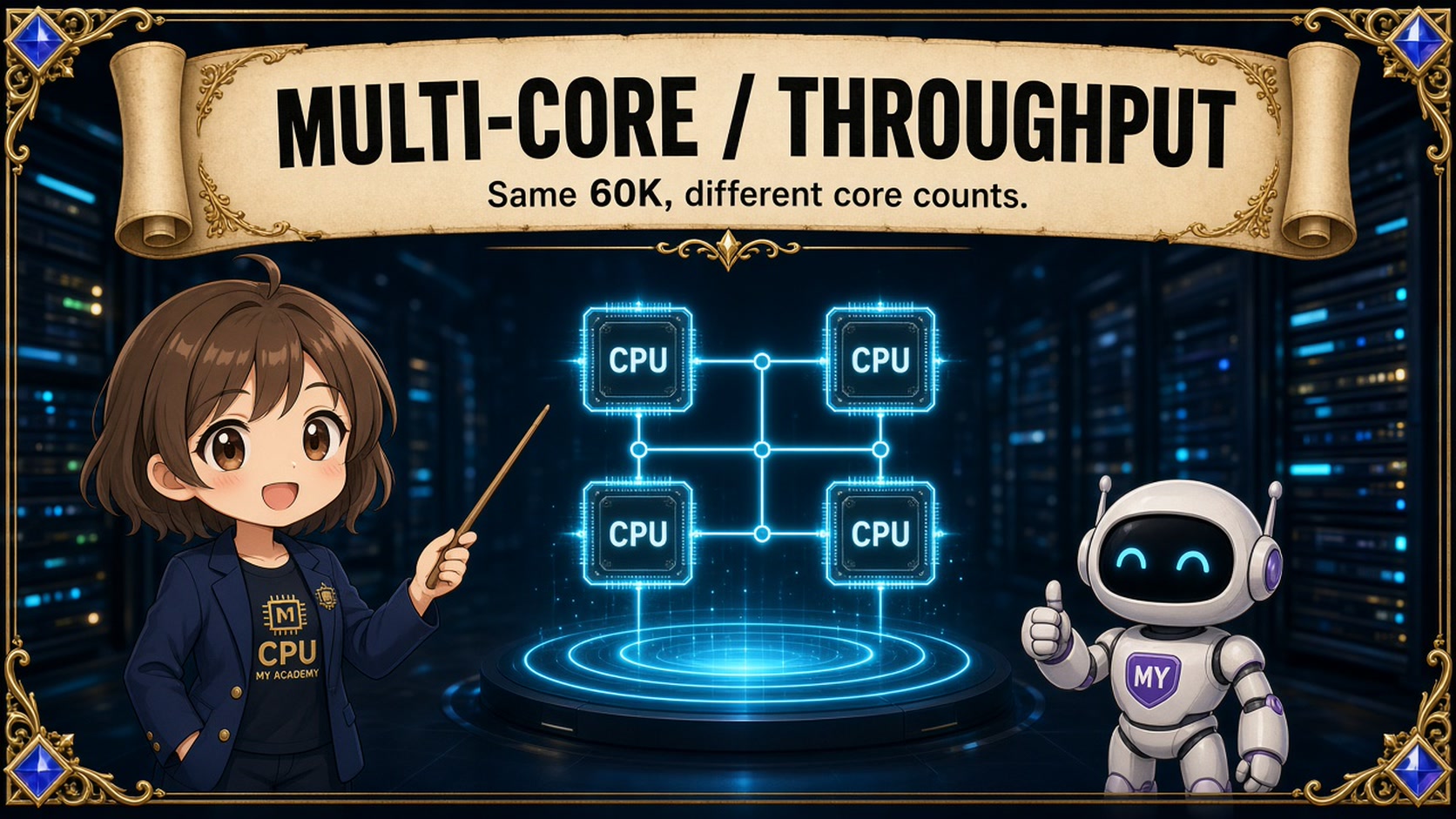
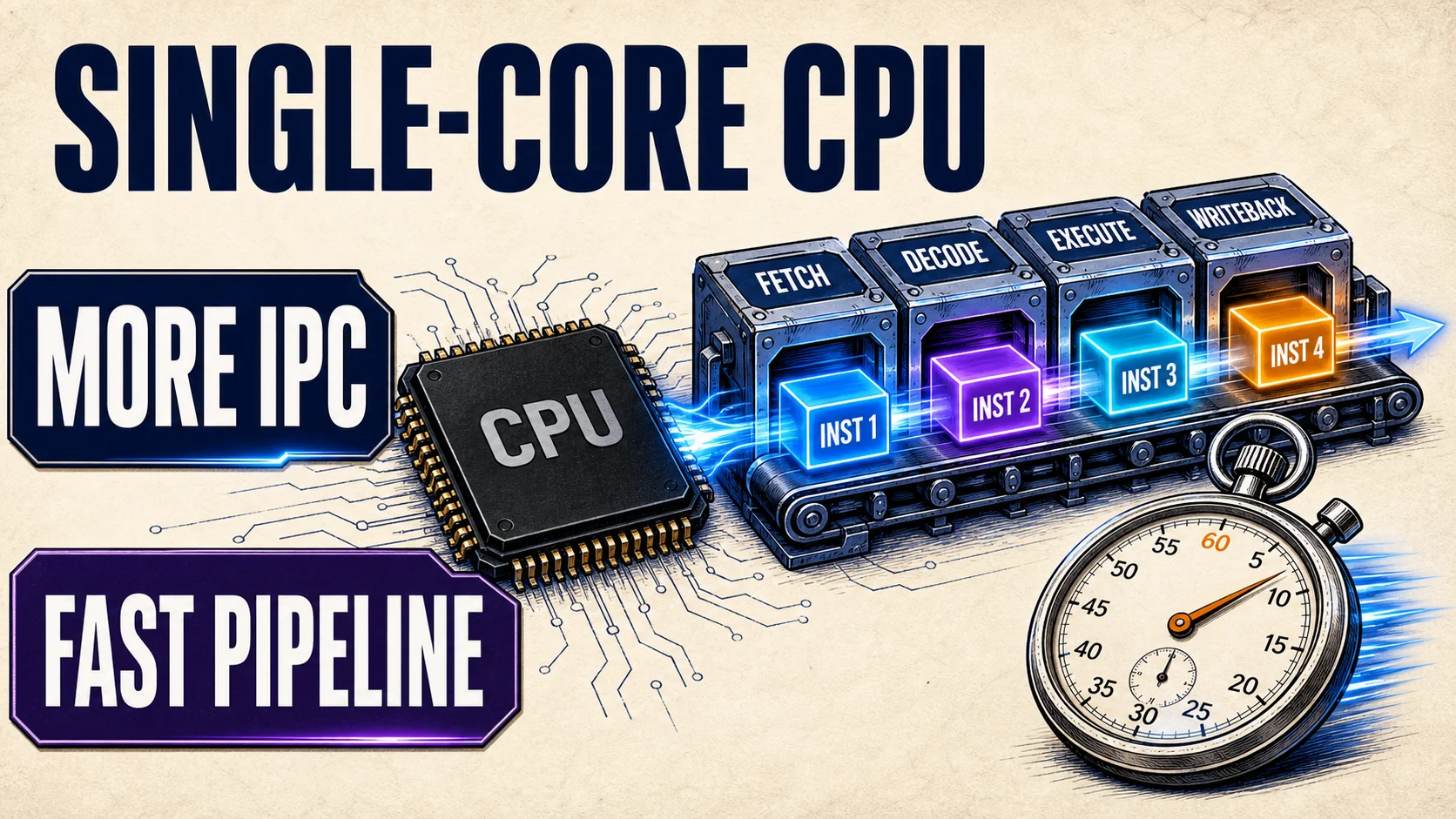
A nine-page classroom on why two CPU cores with the same GHz can behave very differently. The factory metaphor walks through frequency, IPC, width, branch prediction, out-of-order execution, MLP, cache, prefetching, and ISA design.
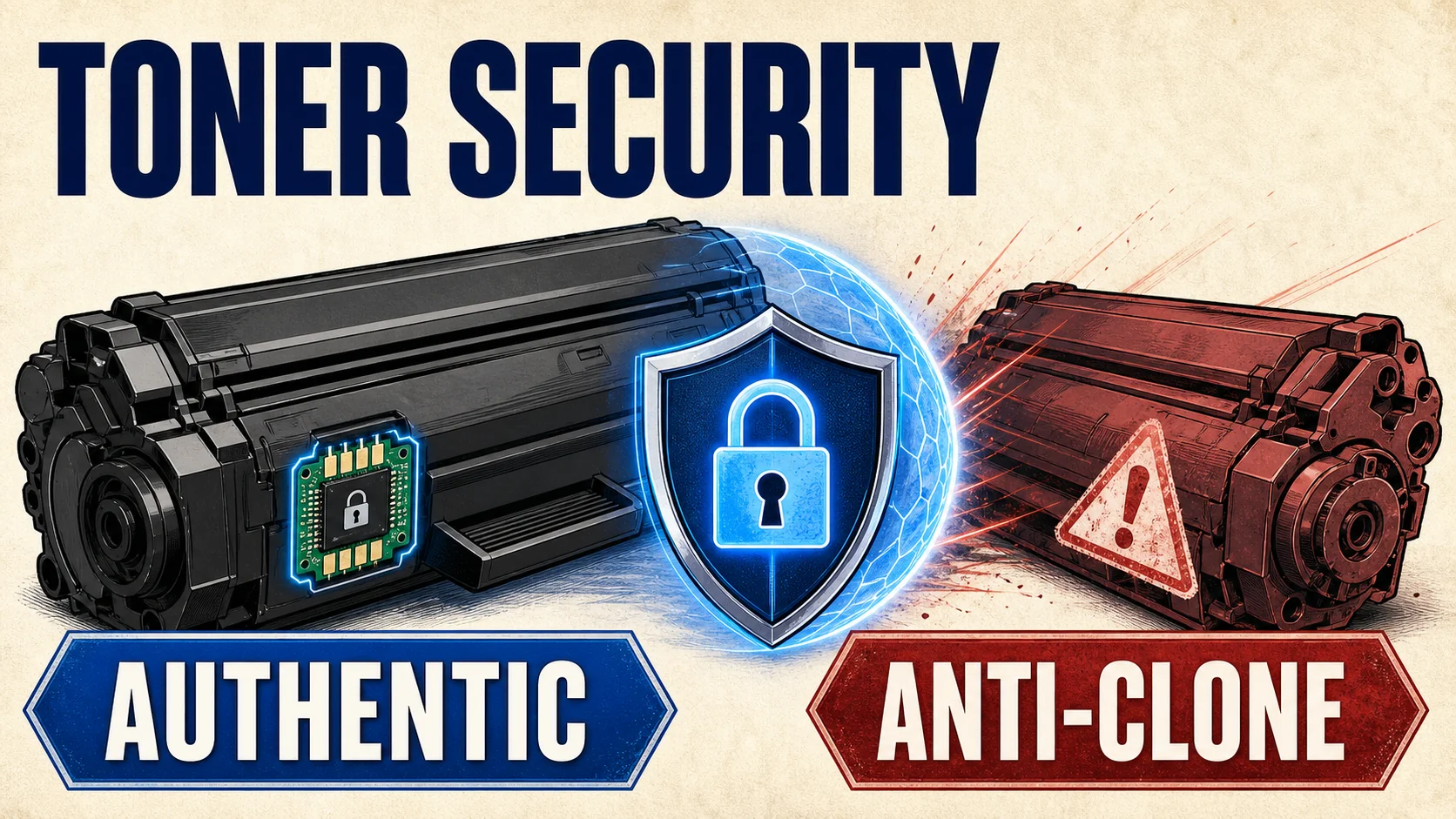
A ten-page classroom on why toner cartridge security is really a supply-chain trust problem. It starts with attacker incentives and PKI authentication, then explains why private keys, counters, and cartridge state need PUF and Secure Storage protection.
A six-page classroom on the hidden bottleneck in AI inference: not enough data arriving at the compute units. It connects GPU, HBM, ASIC, CXL, DRAM, and near-memory compute as different ways to keep inference hardware fed.
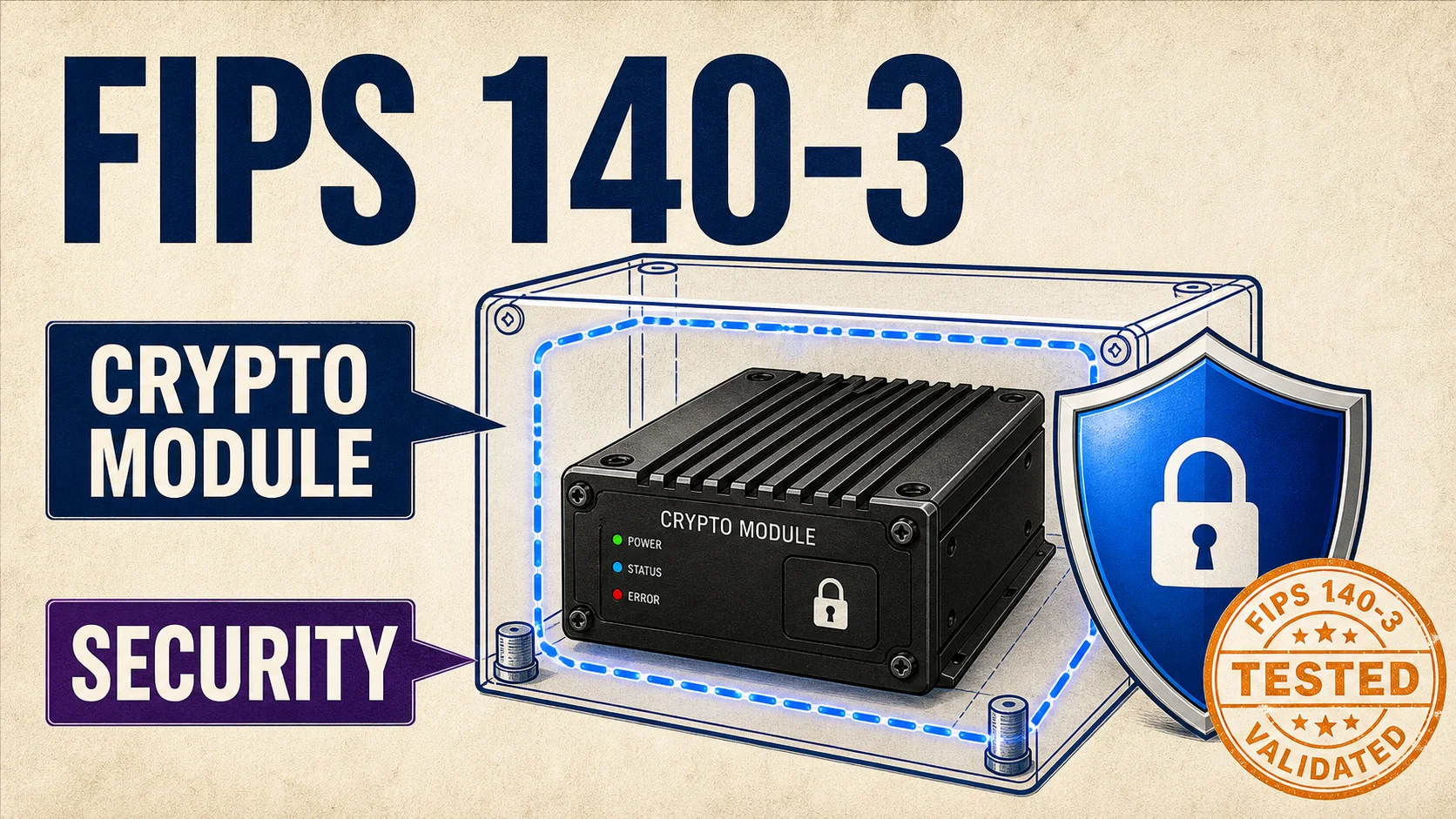
An eight-page classroom on FIPS 140-3 as a security inspection for cryptographic modules. It explains the validation flow, the assurance levels, and the hardware questions around keys, tamper response, roles, and evidence.
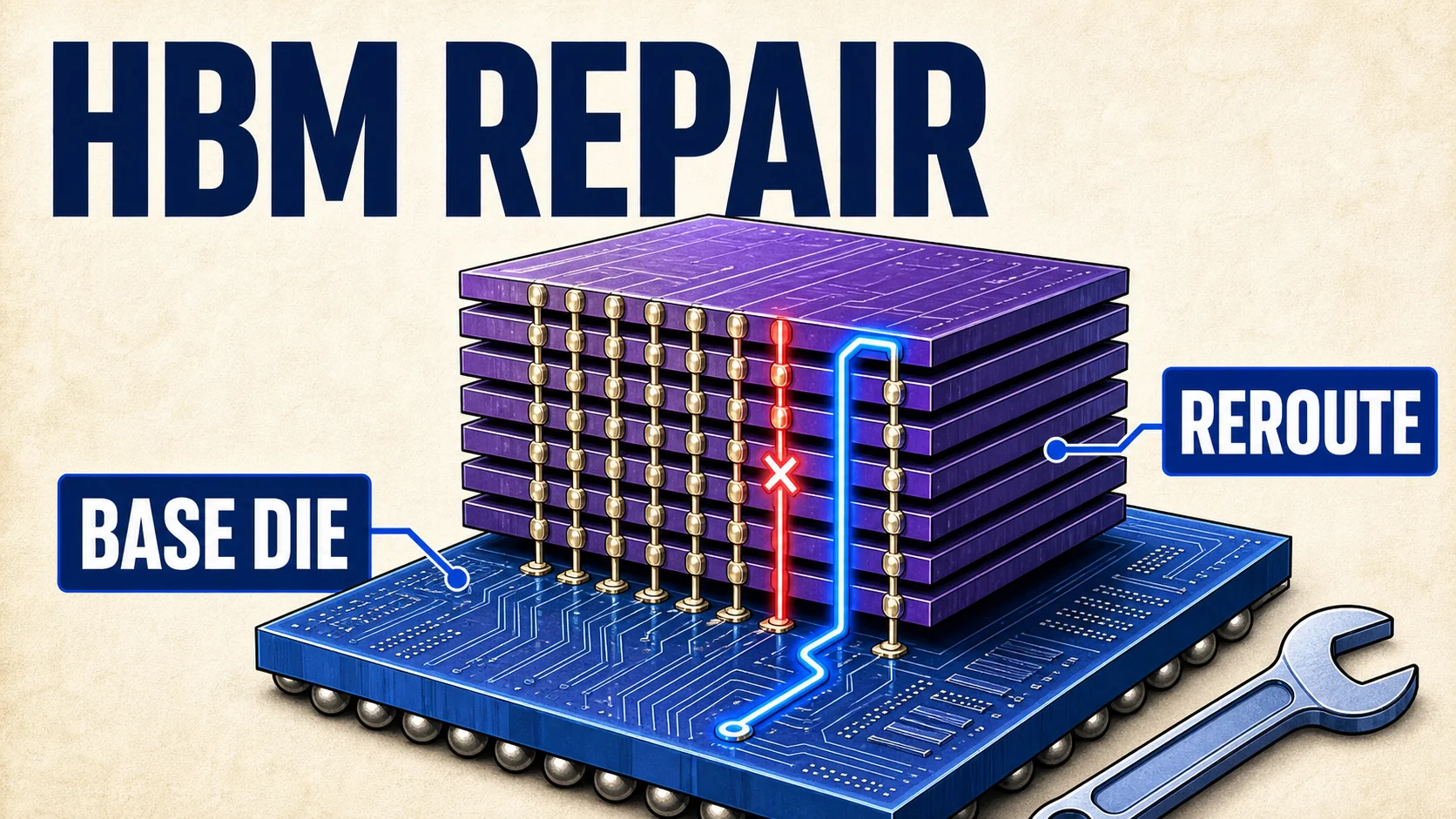
A six-page classroom on the base die at the bottom of an HBM stack. It explains why the base die is more than wiring, how traditional DRAM repair changes in a 3D stack, and why repair can protect the value of the whole AI package.
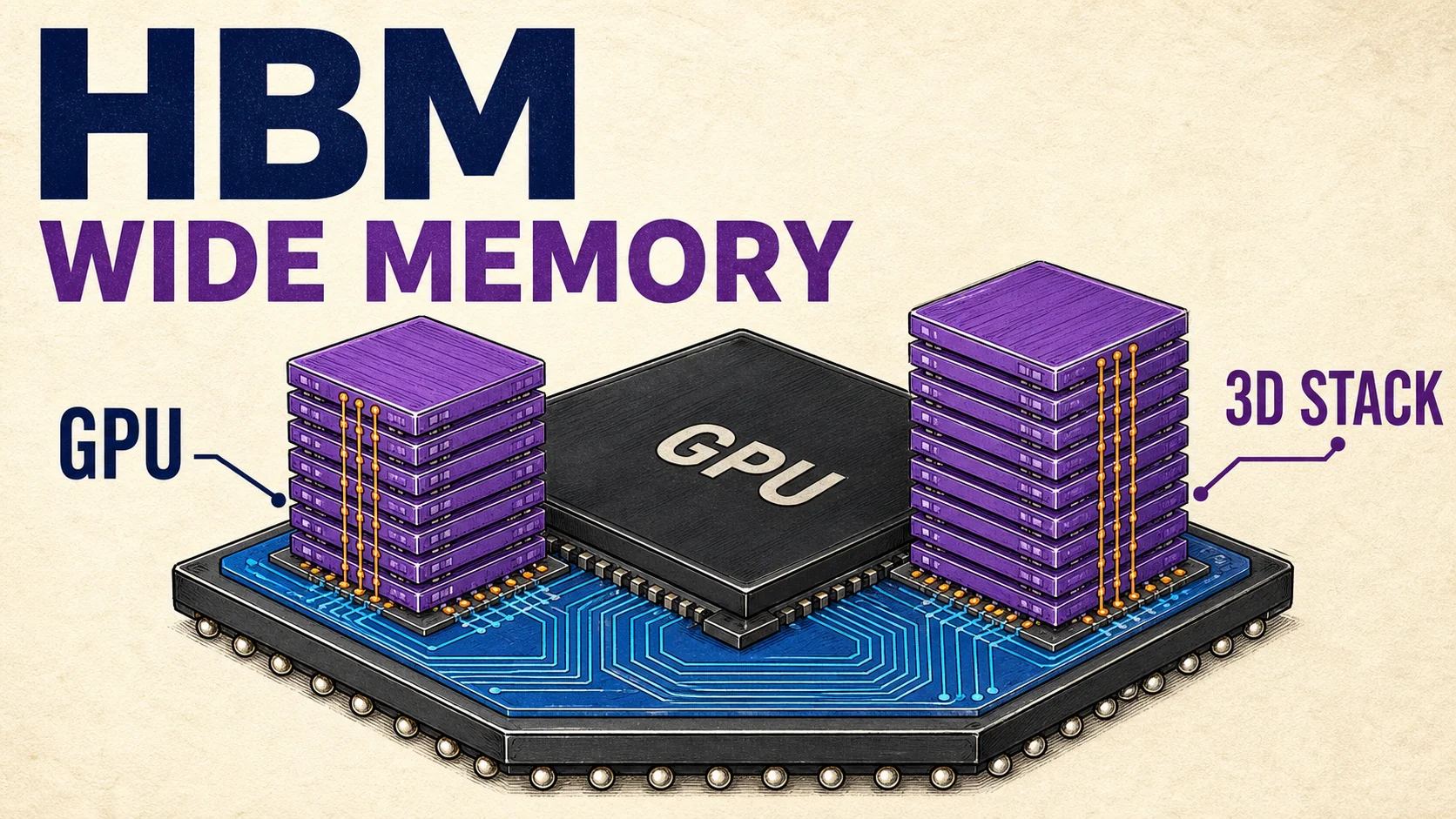
A five-page classroom on why GPUs need HBM. It starts with a simple road-width problem, then explains GDDR limits, silicon interposers, TSV stacks, HBM3E, HBM4, and why bandwidth gains bring packaging and yield challenges.
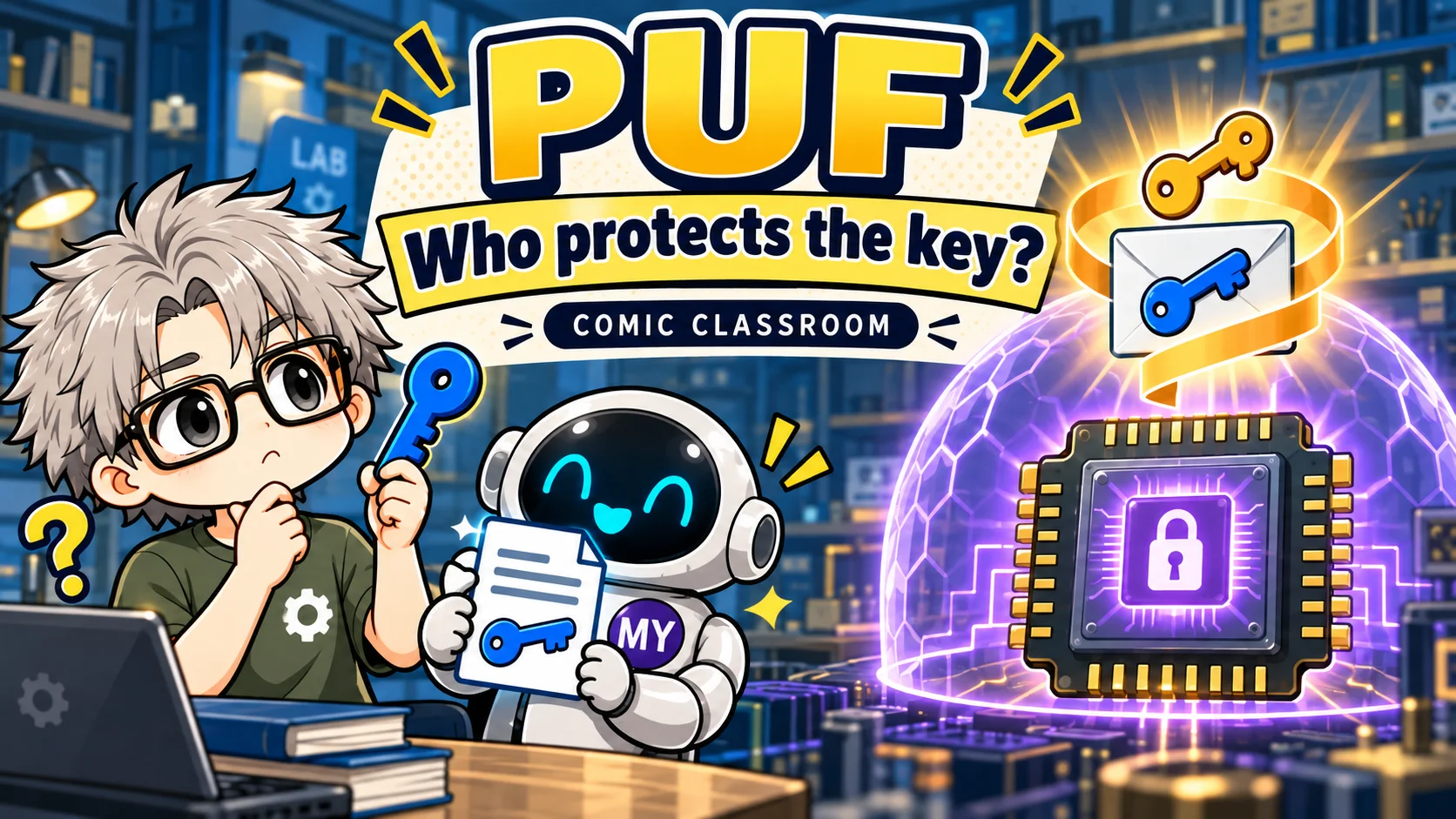
A four-page classroom on PUFs as chip fingerprints. It explains why manufacturing variation can become a security primitive, then connects SRAM PUF, NeoPUF, enrollment, extraction, and key generation.
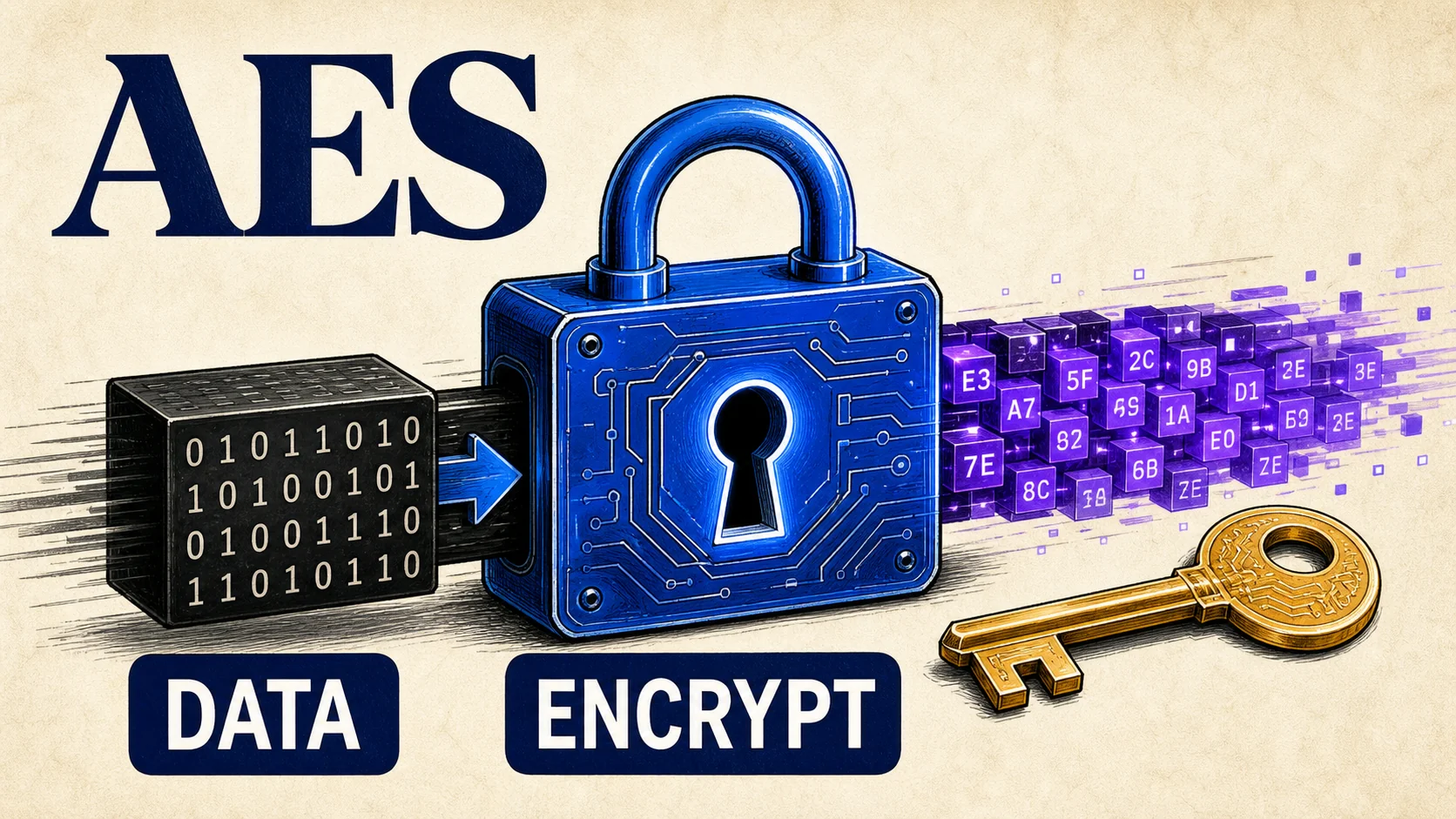
A five-page classroom that explains AES as a repeated encryption workshop: fixed-size data blocks move through substitution, shifting, mixing, and key addition until the plaintext becomes hard to reverse without the key.
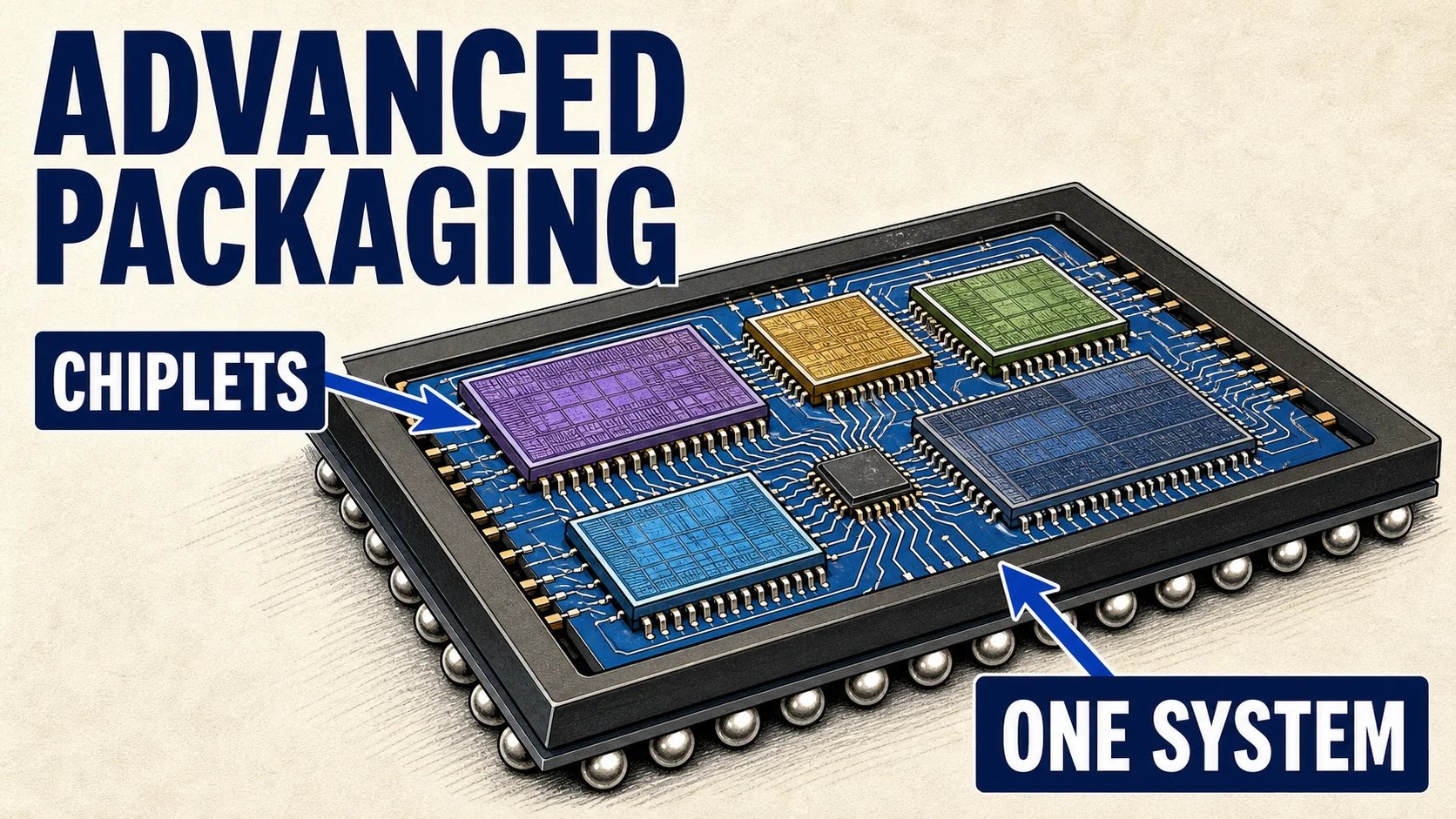
A seven-page classroom on advanced packaging as the work of moving chips closer together. It compares CoWoS, silicon interposers, CoPoS, ABF substrates, and PCBs by the distance, density, bandwidth, and yield problems they solve.