MY Academy

Readable classrooms on semiconductors, hardware security, RTL, AI systems, and advanced packaging.
Comic Classroom Visual classrooms that turn dense engineering topics into ideas you can remember and use.
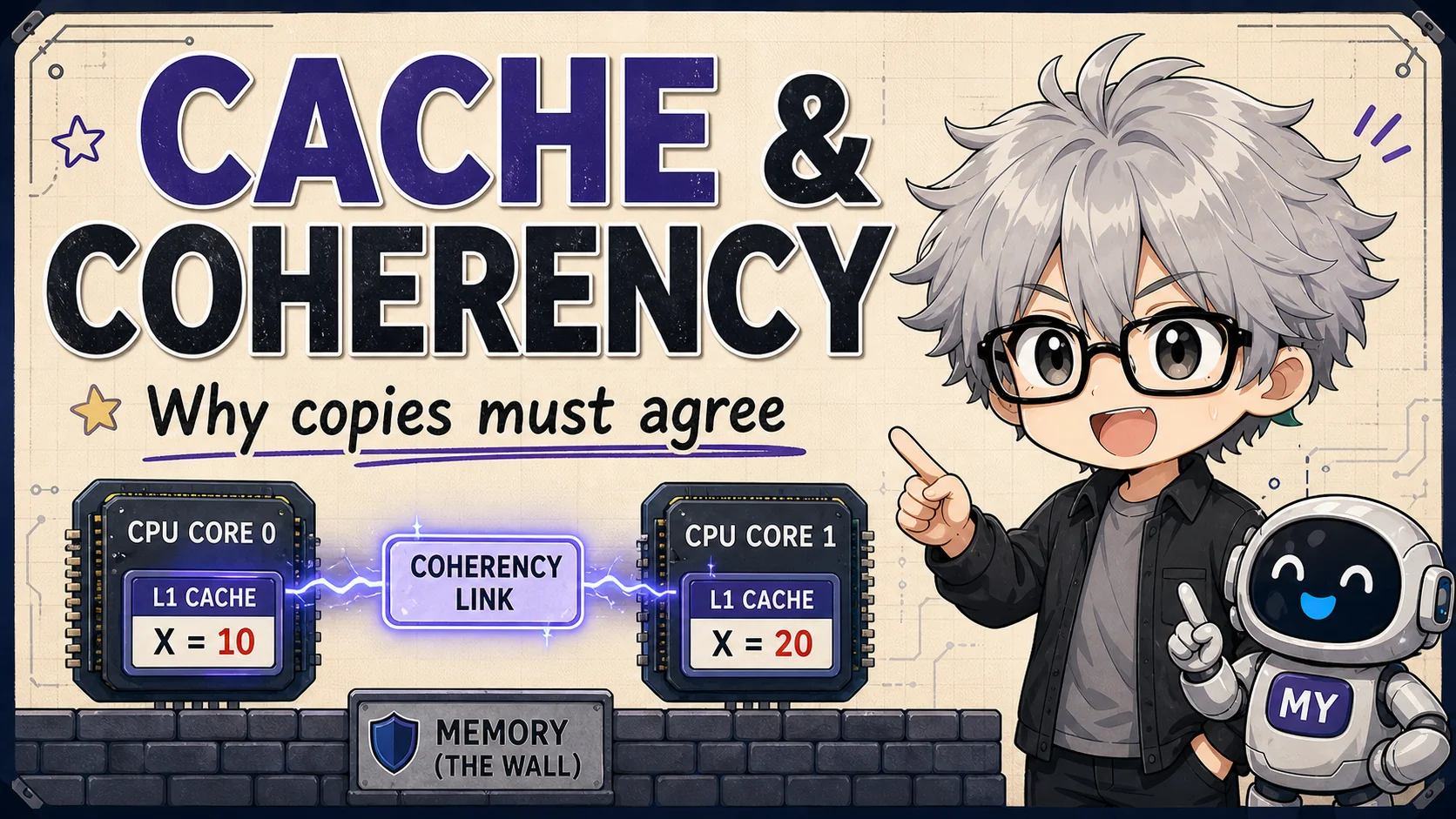
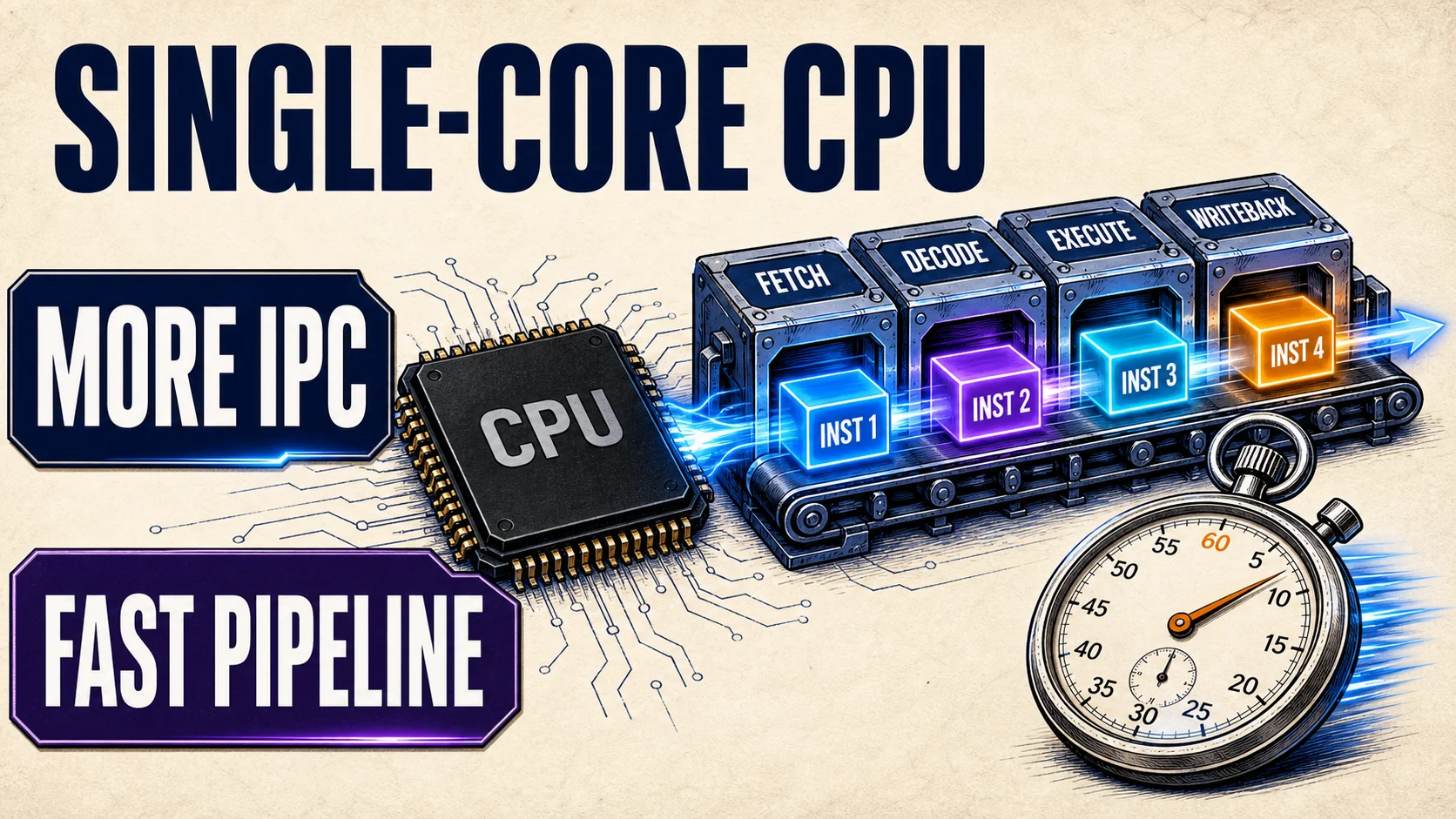
CPU Classroom Why do equal clock rates deliver different speeds, and why can extra cores still wait? Learn through concrete CPU, data, and parallel-work examples, then choose Arm, RISC-V, or design electives. Unfinished lessons are marked Planned.
AI Technology Readable notes on LLMs, tokens, KV Cache, inference bottlenecks, memory movement, and AI accelerator architecture.
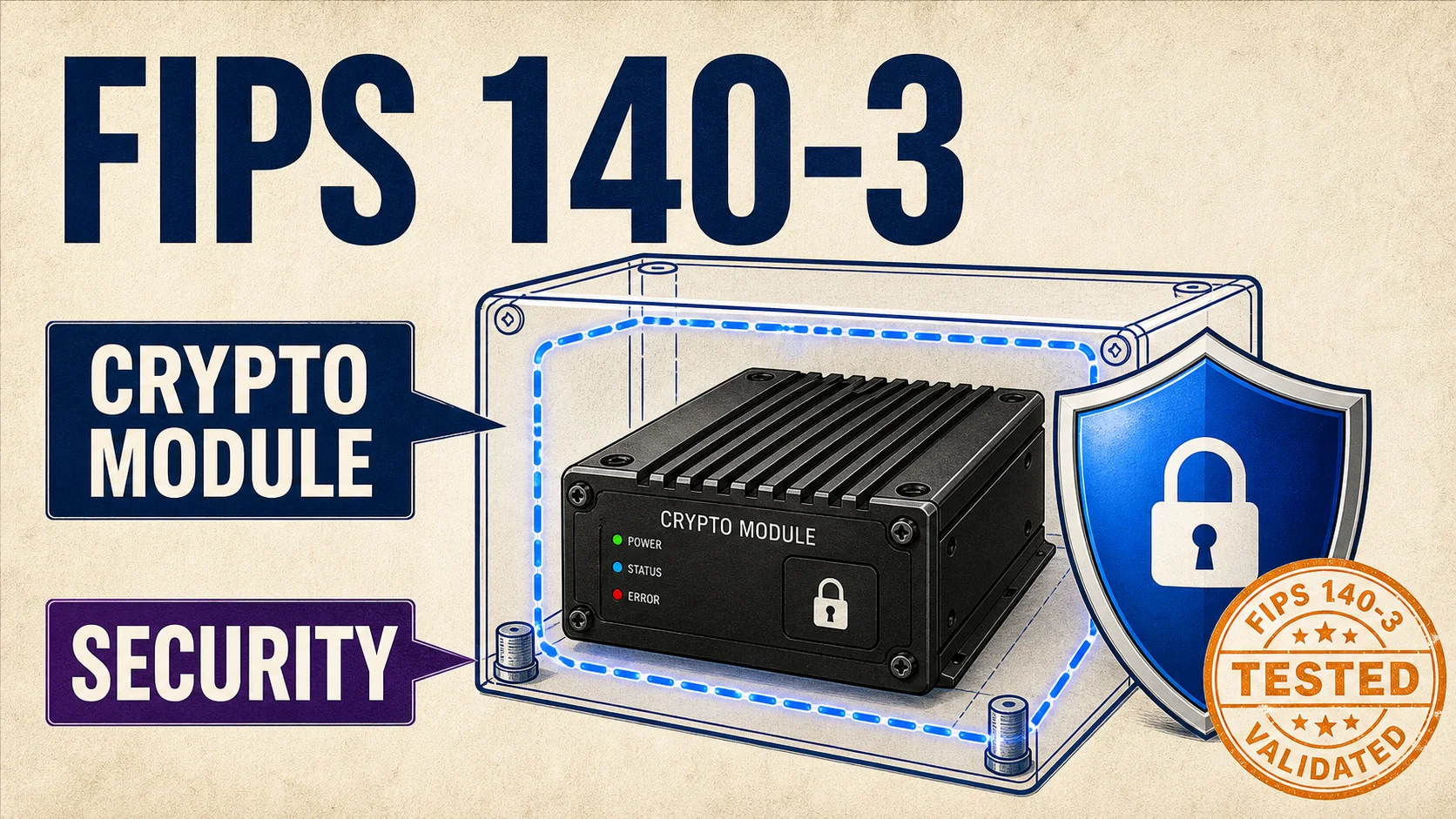
Hardware Security Cryptography, chip identity, protected keys, secure storage, validation, and RTL ideas explained from the hardware point of view.
Semiconductor Technology HBM, advanced packaging, AI inference architecture, and the system-level tradeoffs behind modern chips.

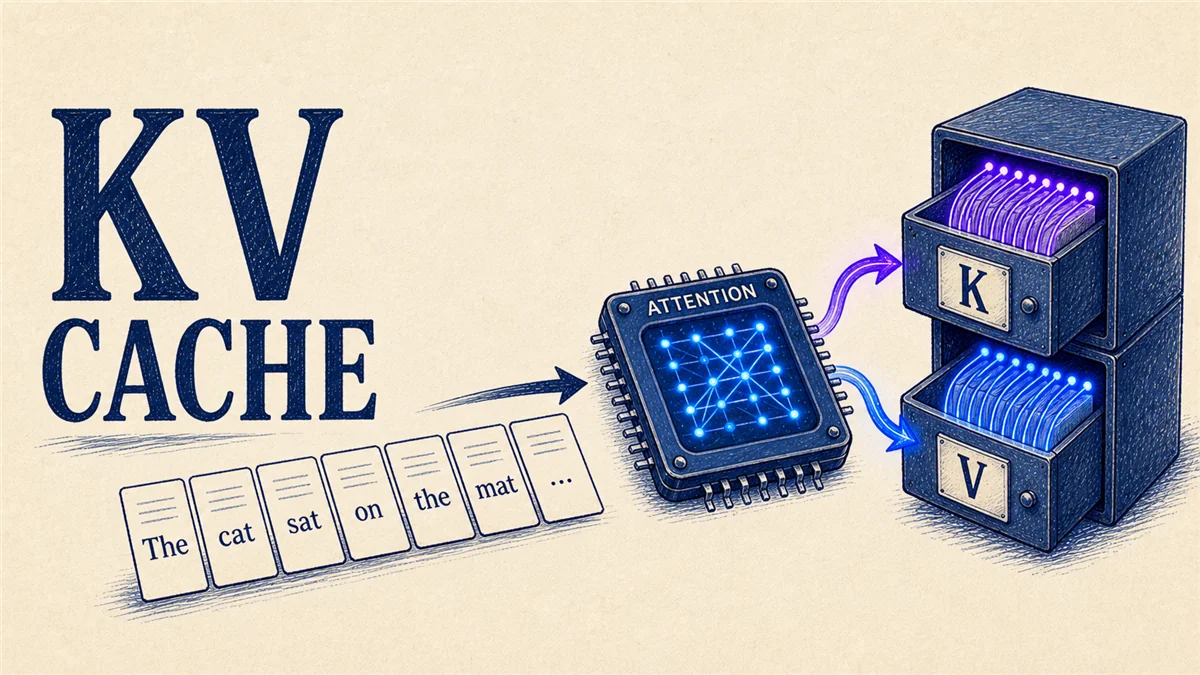
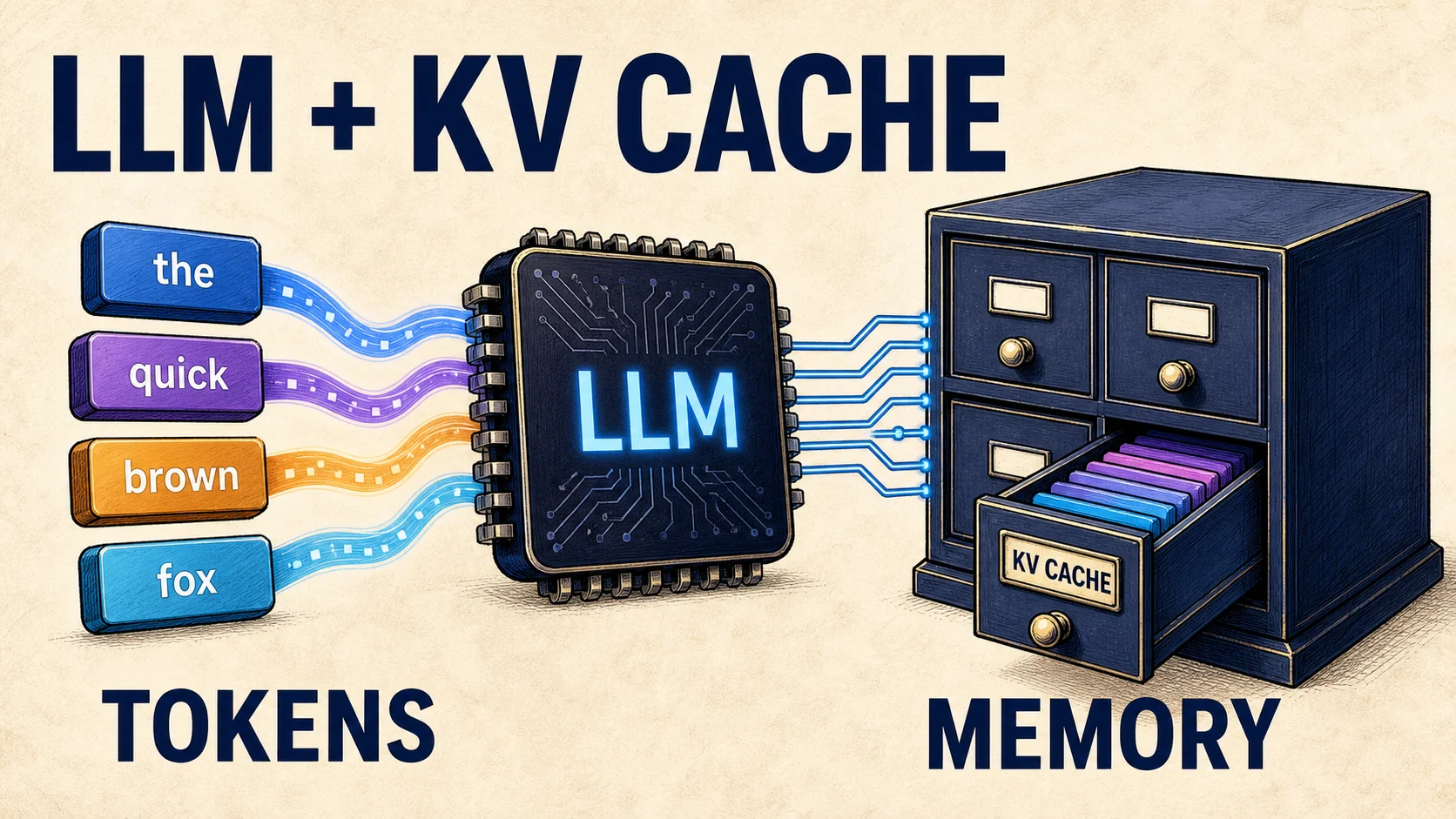
AI Comic Classroom #1: LLM Tokens and KV Cache

A six-page classroom that starts with a simple question: how does an LLM keep writing one piece at a time? We begin with next-token prediction, then move into tokens, vectors, K/V notes, KV Cache, and the memory cost that appears when conversations get long.

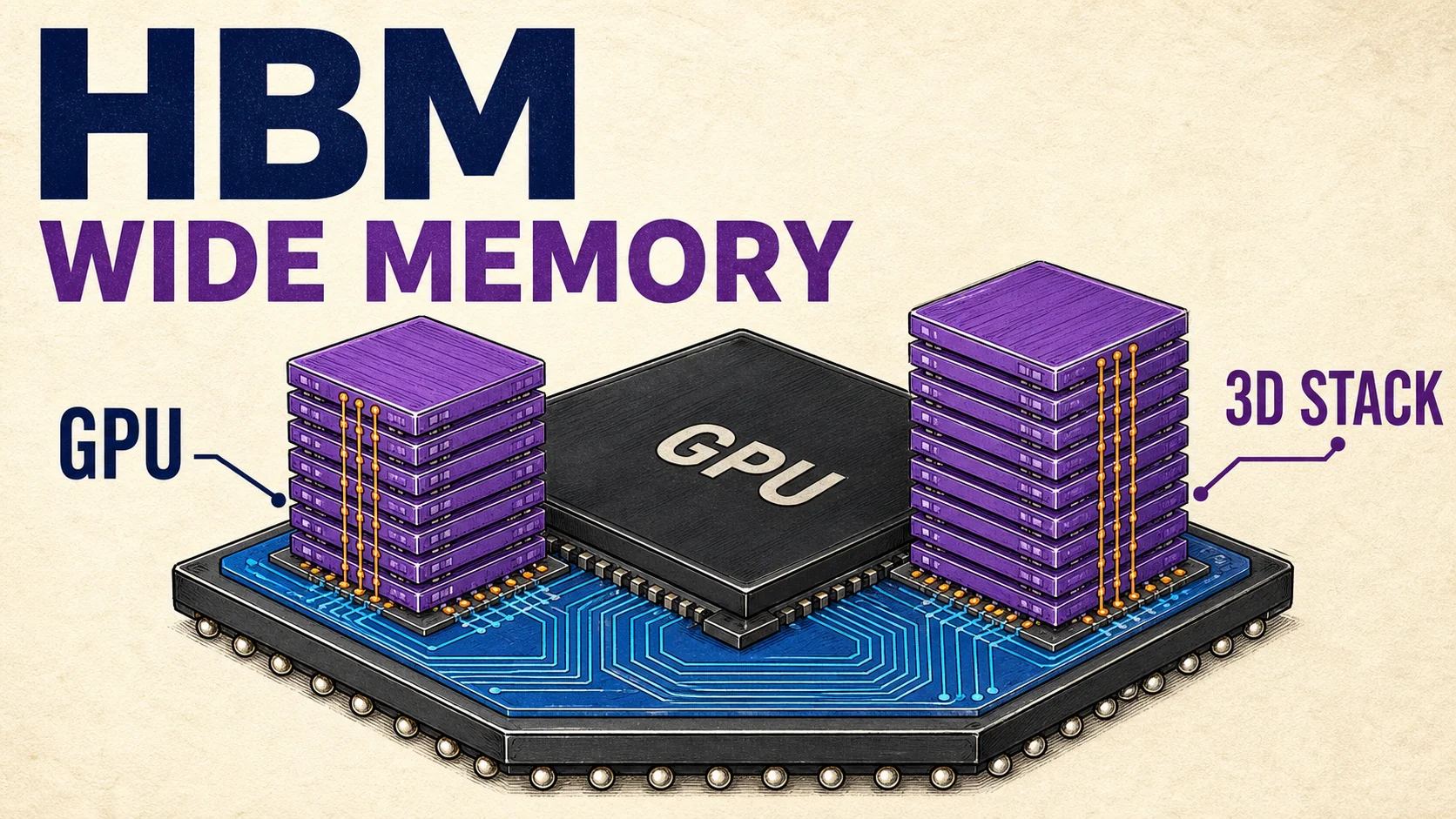
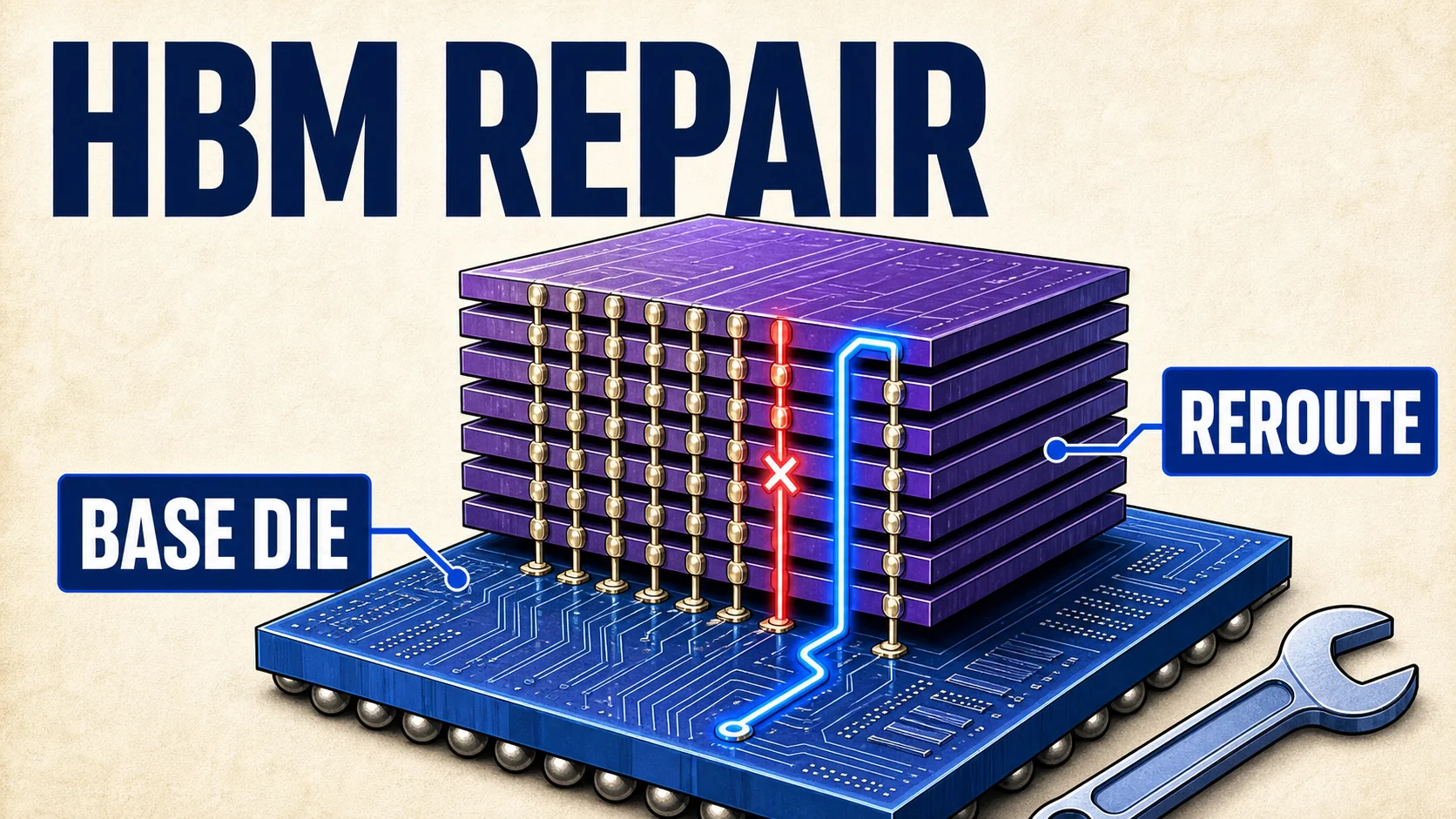
HBM Classroom 2: Base Die and Repair Evolution

A six-page classroom on the base die at the bottom of an HBM stack. It explains why the base die is more than wiring, how traditional DRAM repair changes in a 3D stack, and why repair can protect the value of the whole AI package.
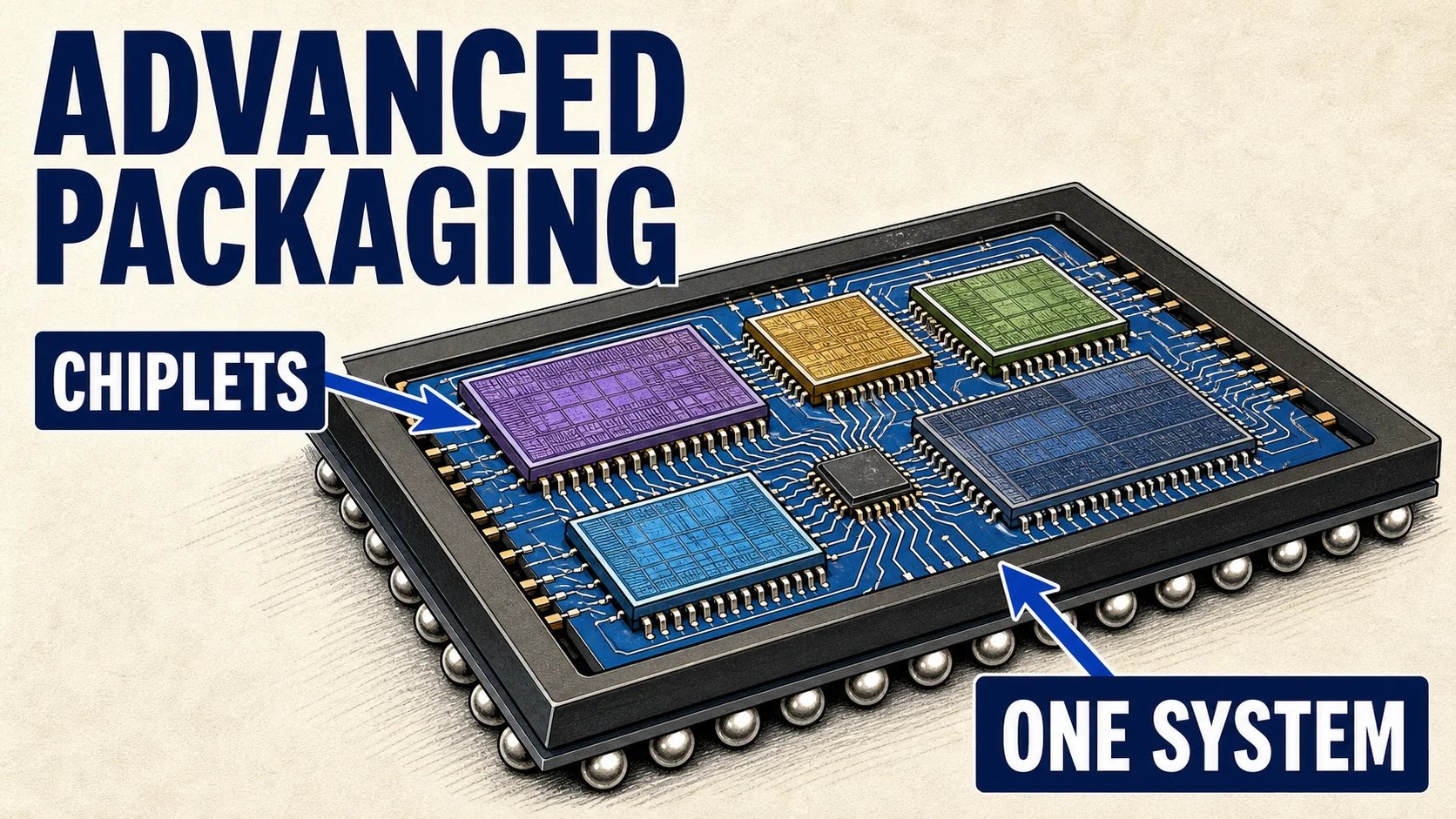
Semiconductor Packaging Classroom: From CoWoS to ABF

A seven-page classroom on advanced packaging as the work of moving chips closer together. It compares CoWoS, silicon interposers, CoPoS, ABF substrates, and PCBs by the distance, density, bandwidth, and yield problems they solve.

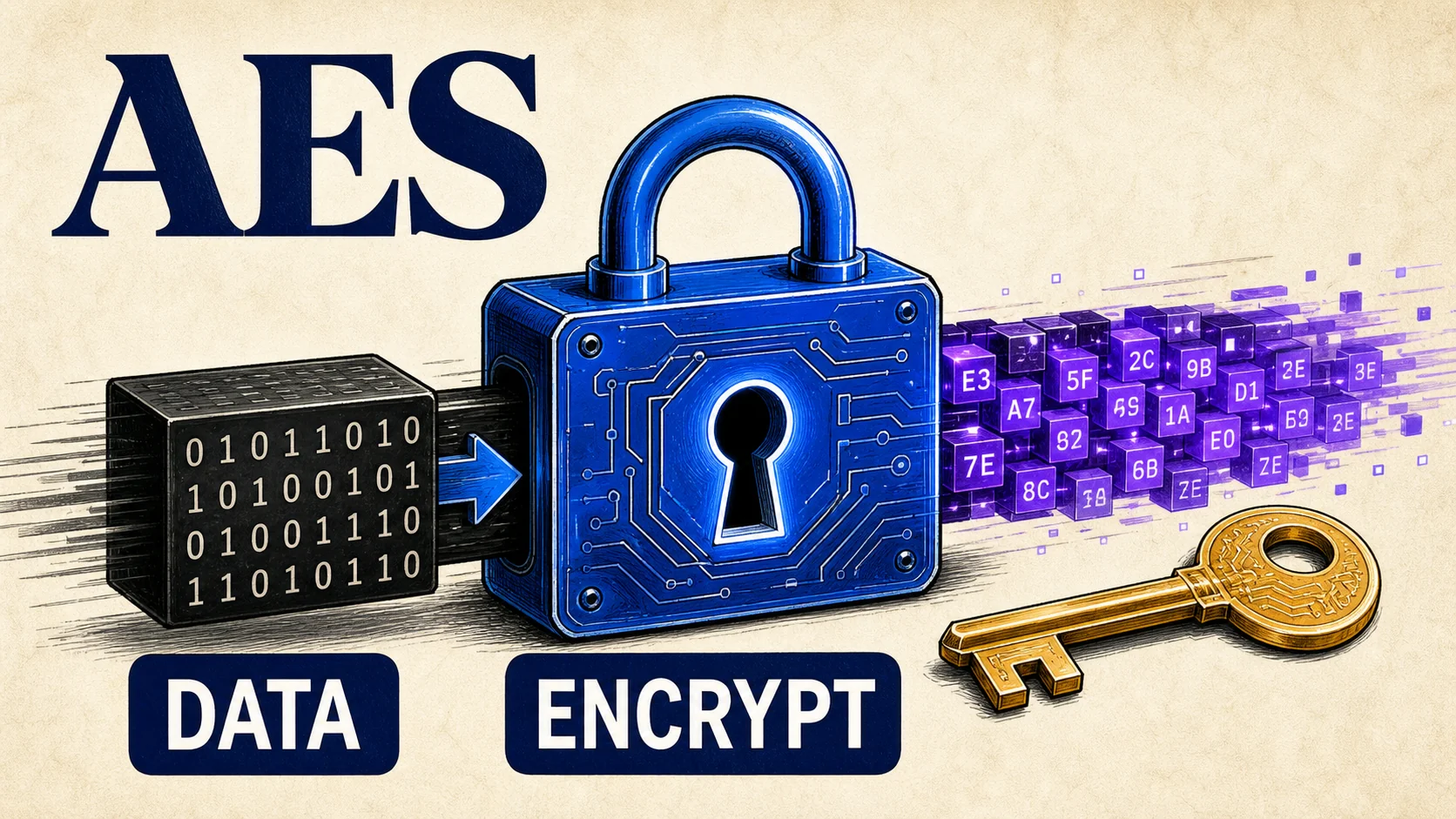
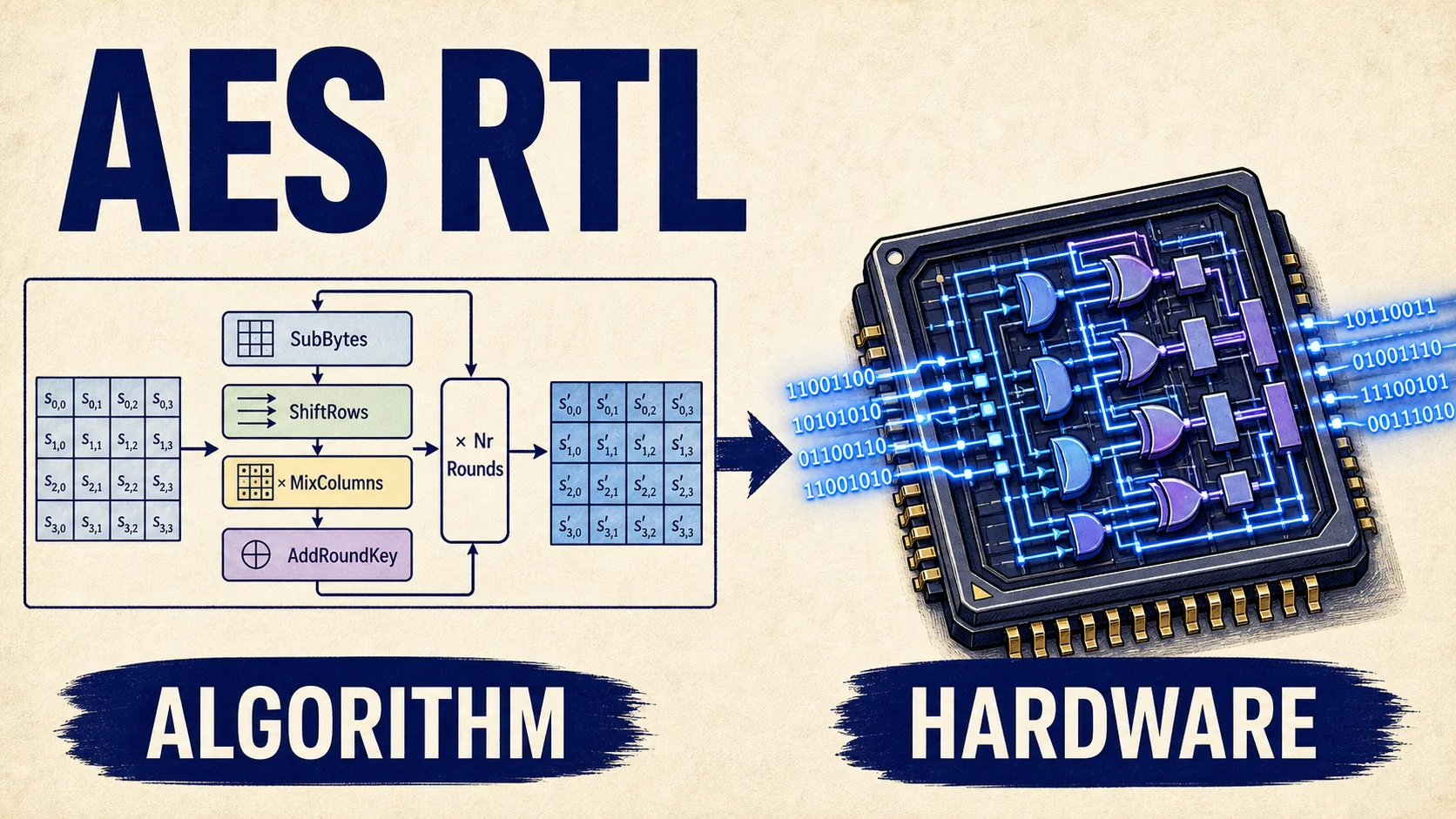
AES-128 RTL Beginner Guide

Build an iterative AES-128 core for a sensor block. Align data and round keys, define accepted transfers, hold ciphertext under backpressure, and debug against NIST intermediate values.

Classroom lessonIncludes a lab